


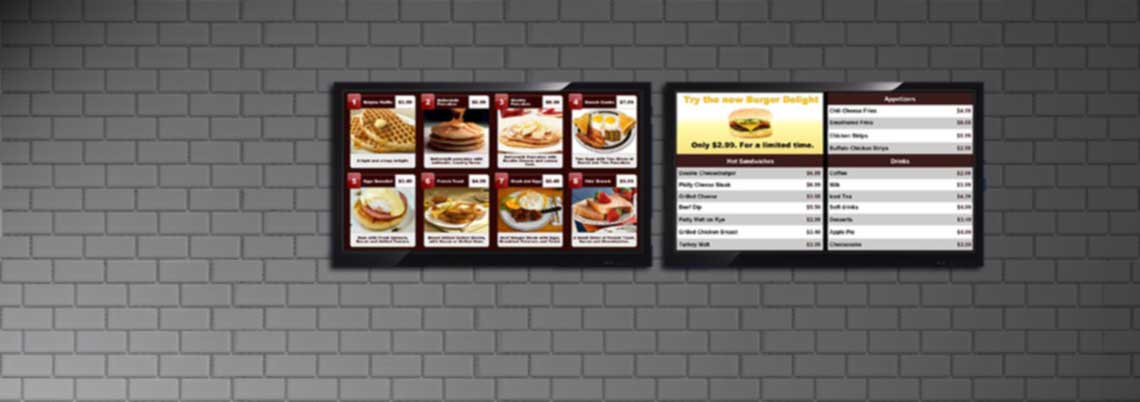
Digital Menu Boards
Whether you want to add products to your menus, show specials, or test different pricing schemes, digital menu board packages from WireSpring are an easy and affordable way to get the job done. You can even use the systems to show videos, pictures, news updates, web pages, and live TV to your customers. And it's all controlled from your web browser. We'll even put together a custom package for you that includes screens, mounts, media players, software and menu templates – everything you need to get started, right out-of-the-box!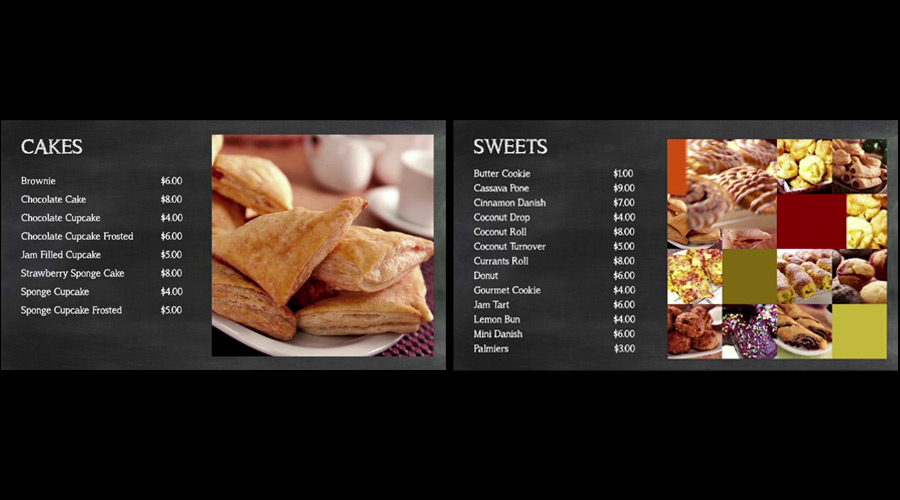
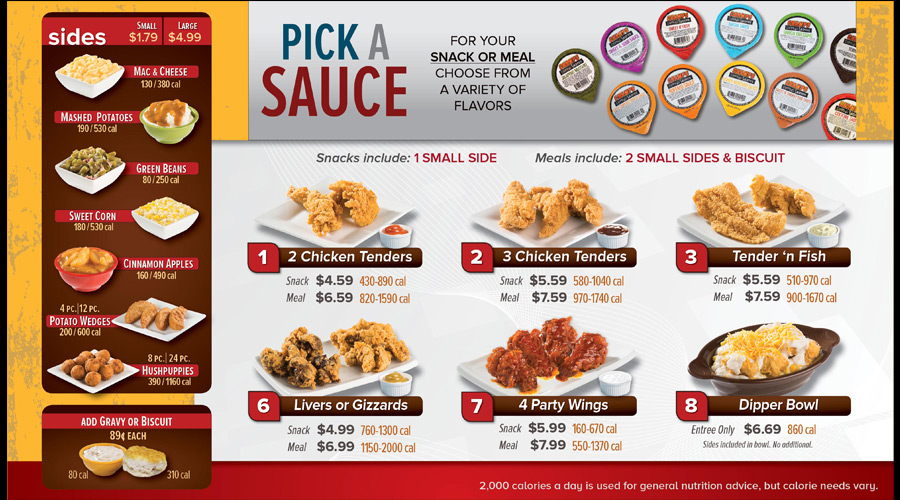
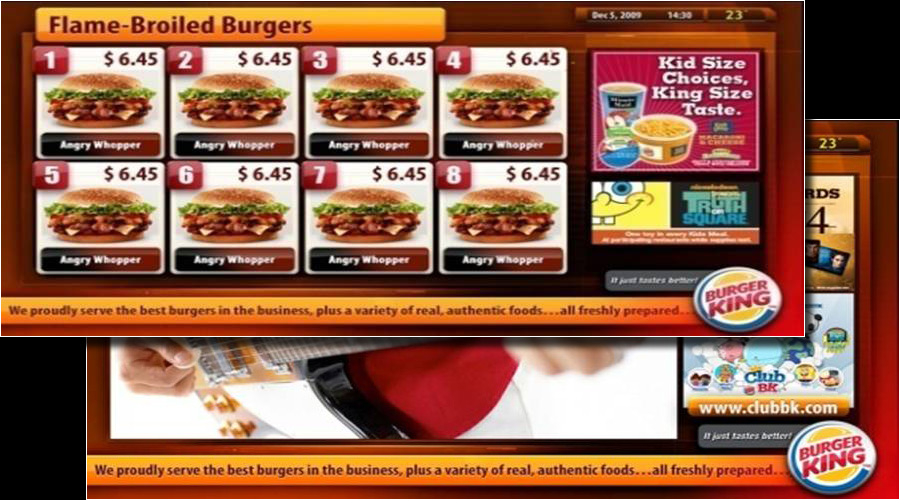
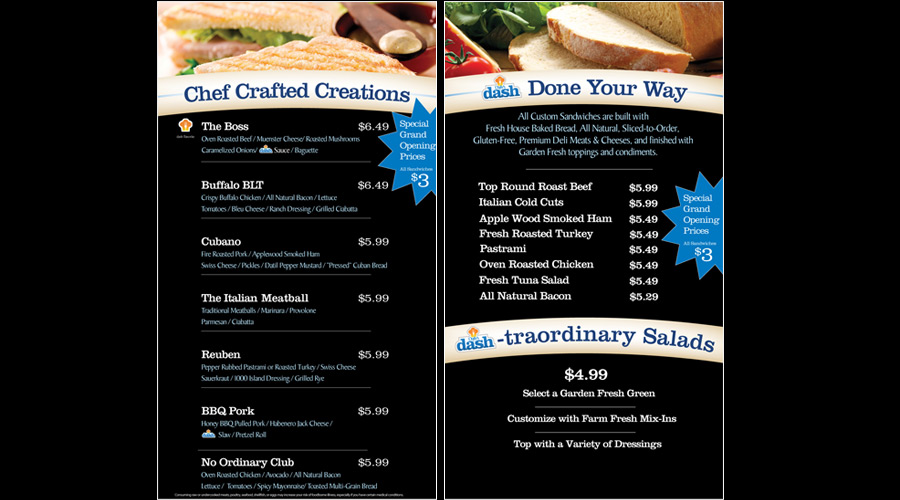
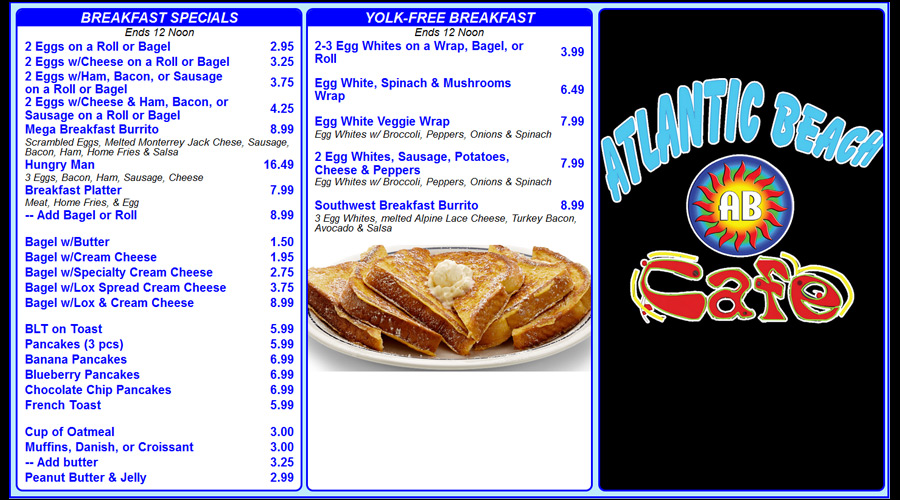
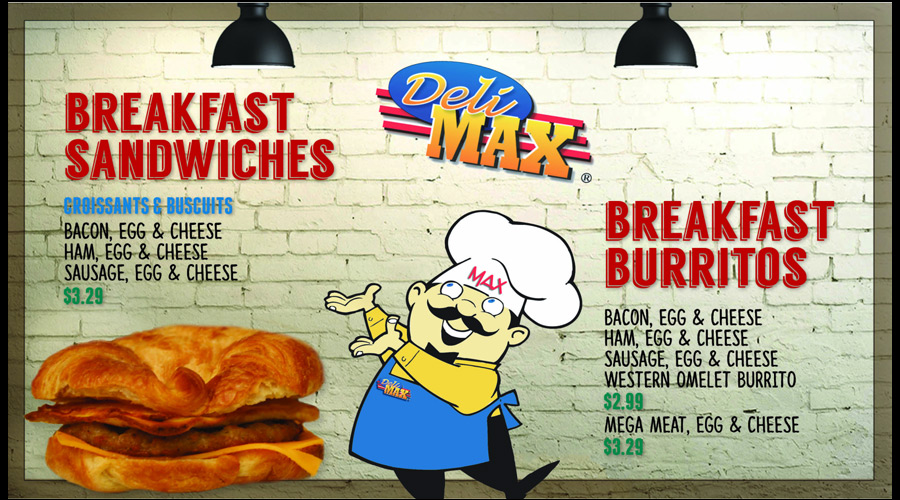
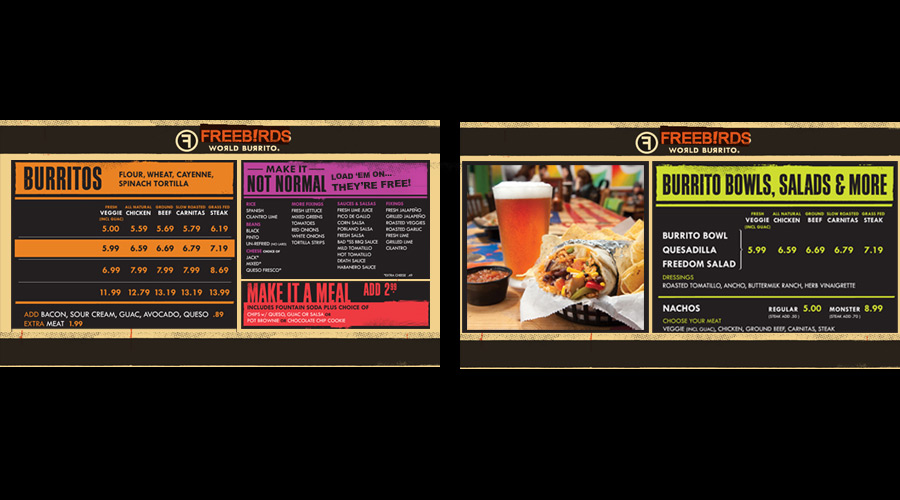
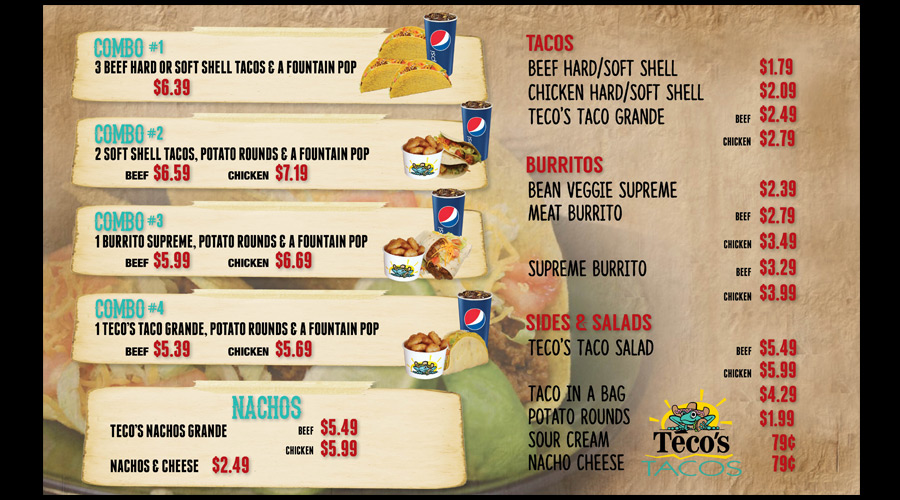
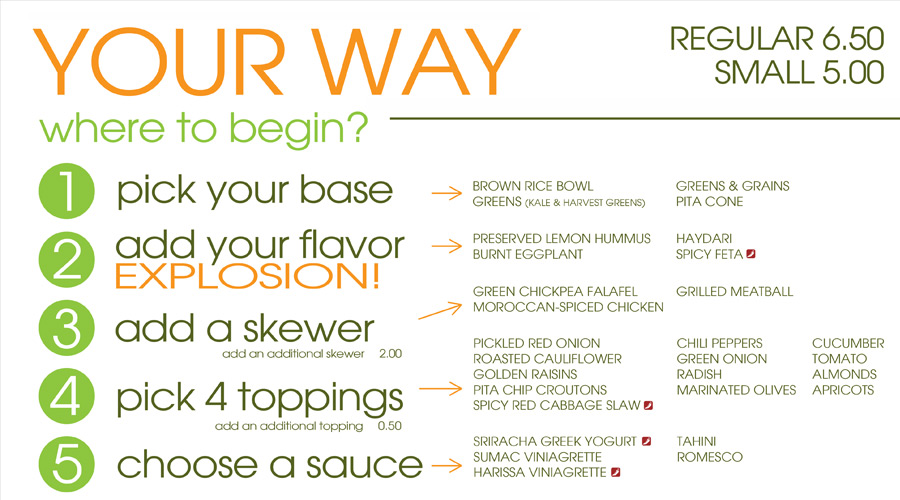
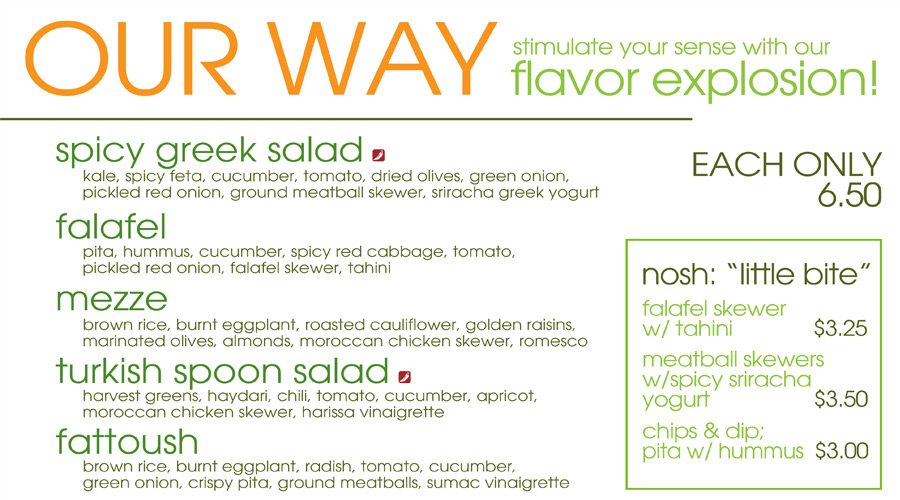
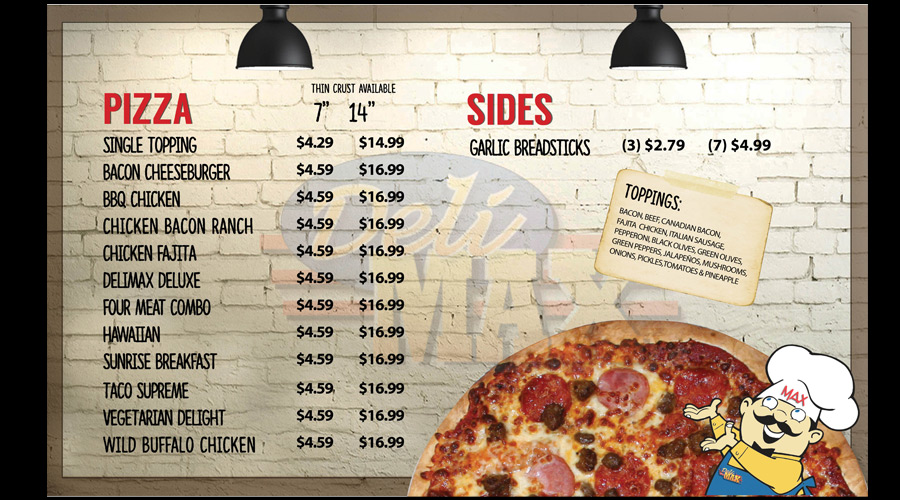
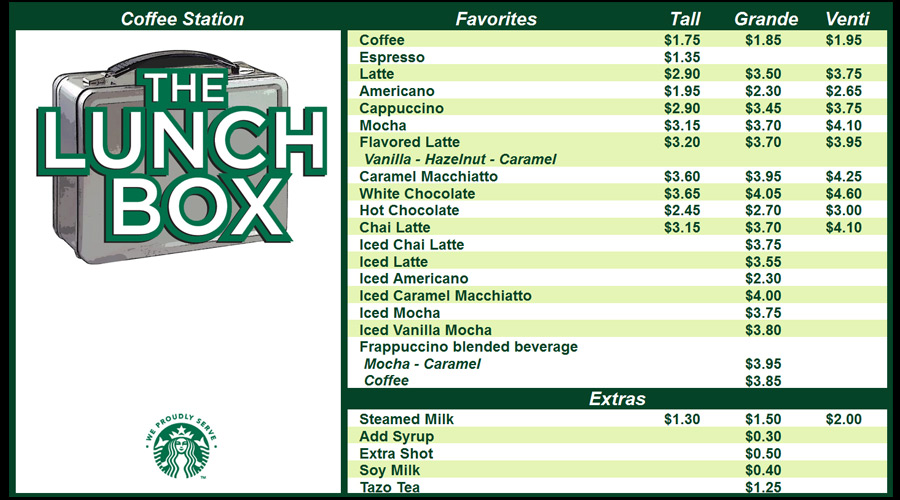
Boost sales by cross-selling and up-selling.
Use photos, videos and animations to promote new items and specials.
Change your menus automatically at different target dates and times.
Entertain customers on line to make their wait seem shorter.
Update your menus right from your web browser.
Use our built-in templates and content, develop your own, or have us do it for you.
Smartphones and Tablets: Customers can use their handheld devices to view an interactive menu and see videos of featured menu items while waiting in line or after being seated.
Private TV Networks: In an effort to improve the dining experience, even the largest fast food QSRs are remodeling their venues with improved seating, better lighting, and even flat-screen TVs. While providing television displays is arguably a smart idea for getting customers to stay longer, these screens can be taken one step further by turning them into a private TV network. In other words, you can use a digital signage player to take greater control of what patrons see in your dining area, e.g. by placing customized messages next to the live TV feed. These ads reinforce your branding and stimulate sales of additional items like coffee and desserts.
Self-Service Food Ordering Kiosks: With customers becoming quite accustomed to using touchscreen kiosks in airports and other venues, quick service, fast casual and even traditional dining restaurants are experimenting with touchscreen ordering for food and beverages. Customers use these self-service terminals to place their order and pay for it with cash, debit, credit, or gift cards, and then proceed to the pick-up or dining area to receive their food. Since the ordering kiosks consistently present up-sells and cross-sells and let customers visually confirm their order before placing it, both average ticket and order accuracy often increase when the terminals are used. Typically, the interactive kiosks are used to supplement (rather than replace) the counter employees, as some staff members are then re-assigned to help customers learn to use the kiosks. Modified kiosks can also be placed in drive-through lanes, virtually eliminating errors that arise from traditional microphone and speaker systems.

Here are some articles that you might find useful: